“What is the single biggest factor that could cause an otherwise promising project to fail?”
This question was asked to a panel of investors and asset managers at S&P Global’s Financing U.S. Power conference in Houston last week. Across the board, the response was the experience of the team developing the project and the advisors around them. Some of the biggest names in infrastructure finance agreed that plenty can go wrong between site control and decommissioning, and the teams they trust to field the punches are those with expertise and a track record.
While gas is winning the headlines, it was encouraging to hear how appealing solar and storage assets are to investors, now that valuations have reset from the 2021-2023 peak. This reflects what we see in the data - the EIA estimates solar, storage, and wind to account for 93% of new capacity added to the grid this year. But no matter investors’ level of interest, they are unwilling to assume the monetary risk associated with a simple oversight. This is especially true as new players enter the power market, drawn by the opportunity hyperscalers are creating. Many bring capital and ambition, but not necessarily the specialized experience investors are seeking. At the same time, the most experienced developers are stretched thin, with large pipelines and limited bandwidth to proactively catch problems. Both situations raise red flags for investors.
.png)
This conversation brought me back to a core reason we founded Euclid. Energy projects are hard. They require immense attention to detail, knowledge, and organization. Developers can’t just be developers - they must be conversant, if not experts, in municipal, state, and federal law, real estate, civil and electrical engineering, community engagement, financial modeling, investor relations, and relationship management. As the panel made clear, even a minor knowledge or documentation gap in any one of these sub-topics can lead to a multimillion-dollar miss.
And we see this all the time. Just in the past couple months we’ve seen projects whose construction schedules made it impossible to meet a state incentive program, rendering the project unfinanceable, domestic content claims without sufficient documentation to support them, and a DG solar site subject to at least $1M in recapture fees from a 30-year old municipal upgrade, buried in four title exceptions.
That’s why we exist - we want to give developers and investors somewhere to turn, a partner that fills those gaps so they don't have to build every capability in-house. This need is apparent whether you’re a small developer without a bench of specialists or a large developer with a variety of asset types and no distinct renewables focus. When we support a project, we lend our track record to it. Investors and lenders can move forward knowing the project has been thoroughly diligenced by a team that has seen what can go wrong, and knows how to prevent it.
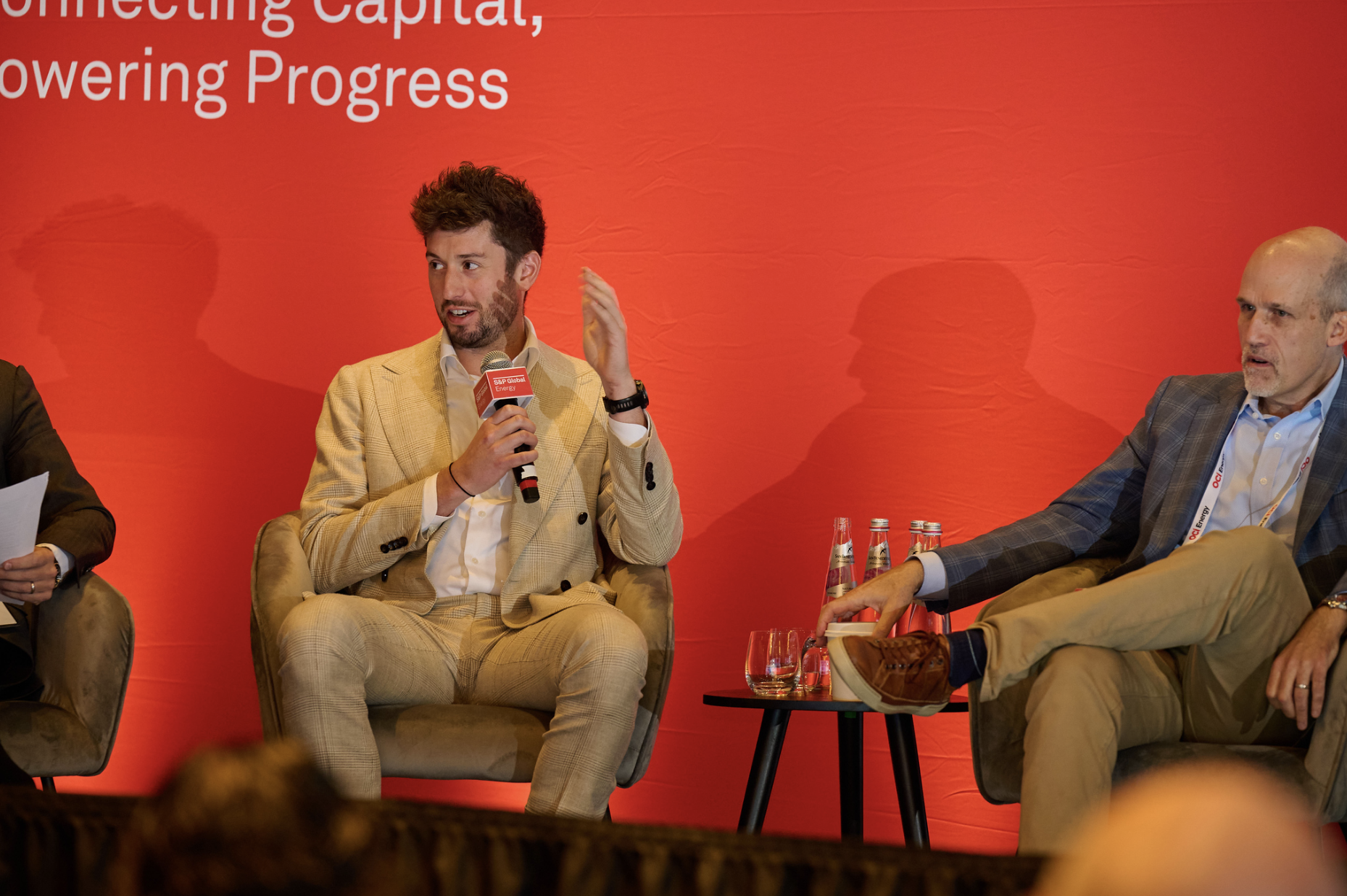
My time in Houston made one thing clear: the biggest risk to a promising energy project isn’t necessarily on the balance sheet. The demand for new power has never been stronger, and capital is ready to meet it. But capital follows confidence, and confidence comes from experience. The projects that get financed and built in this market will be the ones backed by teams that know where the risks hide, and show up with plans to mitigate them.
-- Jacob Sandry, CEO
Enjoying this deep dive?
Stay up to date on market insights for teams who build, buy, and finance renewable projects.